

The big bang of equity + systems change
Treated with care, the heat of friction can cure how we live together—not a ‘cure’ as the word refers to the eradication of disease, but the kind of curing that makes things solid, resilient, and fully-formed. Preservation, flavouring, osmosis. The kind of cure that requires patience.

A love letter to equity practitioners
How do we not mistake a bigger cage for freedom or transformation? How do we know it’s time for transformation? And how do we allow ourselves to liquify enough to do it? How do we hold multiple truths and still move forward together? You sought the future: How do we focus on what we have not yet even imagined?

On performing shared work
Sometimes, we forget—especially when we’re new to our audience—that we’re not just talking about equity and systems change. We are demonstrating it, whether we intend to or not. In the following conversation, Tim and I examine how we come across as representatives of what could be—should be—a better way of working towards a better world.
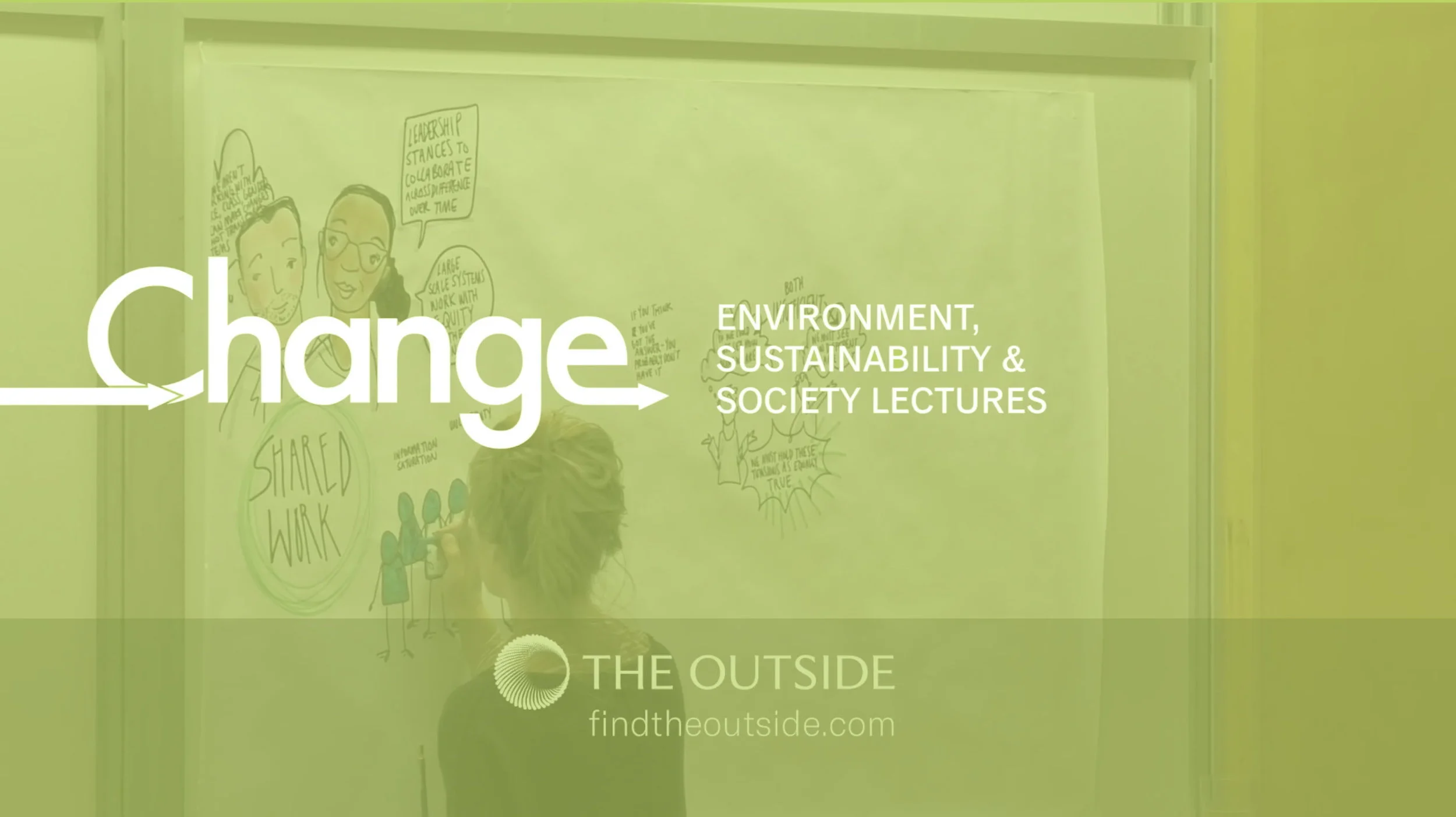
Shared work: the lecture
Often the differences between collaborators—different perspectives, backgrounds, ideologies and aspirations—become the focus of meetings rather than getting work done together. The Shared Work Model offers a way to think about collaborating and moving forward on the issues and challenges we care most about in our organizations, communities, and systems.

The conversational nature of reality
Tim and I often talk about holding both soulful and strategic elements in our work. Powerful revelations have to lead somewhere. Recently, the excellent ON BEING podcast featured an interview with poet David Whyte, and hit on something I see in our work—a need for vulnerability, poetic language, and the balance of left-brain, right-brain that moves us into new action.

Inside the Outside: Change People Love
We've been doing this for years—both together and as individuals—and it never ceases to be a shock and a delight when hands go up in a room that was once completely blocked and closed-off to the idea of doing things—and thinking about things—differently. This is the breakthrough that begins genuine, meaningful, much-needed progress. Here's how we try and set the stage to get hands in the air.

Tim Merry, Slam Poet
This is why we do the work we do—new leadership methods and tools, shifted mindsets, and a practice of equity animates a room. Even the rooms that might have once felt irrevocably blocked with a legacy of competing mandates or repeated patterns. When we contemplate fresh perspectives, bringing more voices 'in from the outside', it dawns on us that perhaps there's a way forward after all. These are the moments we live for.

Celebrating our birthday!
It's our birthday! Why 'THE OUTSIDE'? As outsiders, we have the advantage—the clarity and calm—of not being entrenched. When overwhelmed by repeated patterns and blocks, fresh air helps. It's all about the fresh air. Watch our latest for the view from here.

Reinventing municipalities
I recently did a keynote for the Association of Municipal Administrators of Nova Scotia, talking about long-term change in highly complex systems (like municipalities!). As part of my prep, I interviewed Anna Karin Berglund from the Swedish Association of Local Authorities and Regions and integrated some video of our conversation into the keynote. Some great reflections on how we can lead change in a more participatory way and in particular within municipal and government systems.

Shared work + systems change
A few reflections from Tuesday and myself after working together on some systems change initiatives in these last few days. To browse more webinars, visit Work Done Better Together.

Live draw keynote: on shared work
Tim recently partnered with Bravespace to deliver a live draw keynote for Education, Research, Development and Innovation (ERDI). I introduced Shared Work—a model created by Tuesday Ryan Hart that I have been part of developing. Shared work is seeking to bridge the work of social justice ad systems change by looking at how we can work together across difference over time.

Shared work + collaborative leadership
Tuesday and I just did a webinar on Shared Work with Joshua Cubista @ Borderlands Restoration Leadership Institute, which explores how to take action in the midst of the increasing complexity of the 21st century. It explores shared work and the practice of leading systemic change within our personal lives, communities, organizations, and the world.

Alike or aligned
To me, alignment is something both bigger than and more foundational than being alike. Alignment asks: Are we going in the same general direction? Do our fundamental ideals allow us to do some good work together? Maybe we won’t do everything together, but when we’re aligned, we can see that there is something to do together.

Art of Hosting: a new and ancient movement
In a webinar offered by Engage Nova Scotia and filmed at the HUB South Shore, my old friend and mentor, Toke Moeller explored the Art of Hosting: the method's radical common sense and impact, and how it's become its own movement. What can we learn from this as we work to accelerate change in Nova Scotia, and how might we use it to encourage young people to lead change within their communities?

The day-to-day of leading change meetings
The majority of meetings should be discussions that lead to decisions. Meetings are the linchpin of everything. If someone says you have an hour to investigate a company, I wouldn't look at the balance sheet. I'd watch their executive team in a meeting for an hour. If they are clear and focused and have the board on the edge of their seats, I'd say this is a good company worth investing in. —Patrick Lencioni

Why small change is important
Change need not be a big deal. Not changing the entire system, shifting infrastructure, addressing oppression or “swallowing the ocean” as a colleague of mine says. But, rather, taking a sip, seeing a small impact that is entirely within our ability to make, getting started, seeing what happens, and moving from there.

Grace in the Yukon: 2
When with new peoples, I continue to be mindful of asking ahead of time what to be aware of, inquiring about honorifics and titles, and generally stepping back and listening. And also, I have to be careful not to get too earnest and in my own head about this stuff. Folks are generally kind and while I may mess up—and someone will let me know and practice grace!—it’s best for me to go forward humble but unafraid.

Grace in the Yukon: 1
We were literally doing something that had never been done before: bringing together governments’ employees who were aboriginal. Can you imagine the amount of goodwill in the space with people being together for the first time as a group? As they found themselves and each other? As they explored their own leadership? And from that goodwill, some really powerful learning and work was done.

Systems change + equity: we're working on it!
Tim Merry and I are working together to create a model for systems change that has equity at the center. Check out our video below to see some of what we're up to... it's both exciting and daunting!

Equity as a natural state
What would it mean—how might we change our practice—if equity were not simply a longed for goal, but rather a return to a natural state? The idea feels edgy for me, but in a good way and definitely worth exploring. Here are some of our reflections on a short video blog: